Posted on

Using Emergency Eye Wash Stations and Showers in the Workplace

How to use emergency showers and eye wash stations

How to Use Emergency Eyewash Stations

Emergency eyewash stations are crucial safety devices designed to rinse the eyes quickly and effectively in case of accidental exposure to harmful chemicals or materials. In industries dealing with hazardous substances like chemicals and flammable liquids, such as the ones you cater to, these stations play a vital role in minimizing potential damage to employees’ eyes and preventing long-term health issues.

For employers, having emergency eyewash stations in the workplace demonstrates a strong commitment to employee safety and health. By providing immediate access to eyewash solutions, you create a safer working environment and potentially reduce the severity of injuries. Employees can work with more confidence knowing that their well-being is a priority.

Strategic placement of eyewash stations is crucial. They should be located within a 10-second walk from hazardous areas, and the path to these stations should be clear and well-lit. It’s recommended to place them at eye level and have clear signage for easy identification. Regular training on the location and proper use of eyewash stations is essential to ensure that employees can confidently and effectively use them in emergencies.

Using an eyewash station is straightforward. In the event of a chemical splash or other eye exposure, employees should follow these steps:

  • Immediately locate the nearest eyewash station.
  • Push the activation lever or knob to start the flow of water.
  • Keep your eyes open – use your hands to hold your eyes open while flushing.
  • Flush eyes with water for at least 15 minutes, ensuring that water reaches all parts of the eye and eyelids.
  • Seek medical attention after flushing, even if the irritation seems to have subsided.

How to Use Emergency Showers

Emergency showers are another critical component of workplace safety, especially in industries dealing with hazardous materials. These showers provide a rapid and continuous flow of water to drench a person’s entire body in the event of chemical splashes, spills, or other contaminants. Just like eyewash stations, emergency showers are essential for minimizing the impact of chemical exposure on employees’ health and well-being.

Employers benefit from having emergency showers as part of their safety infrastructure. Prompt access to these showers can significantly reduce the extent of injuries and potential health complications. This proactive approach not only safeguards employees but also aligns with regulatory requirements and industry best practices.

Emergency showers should be positioned near areas where hazardous materials are handled and in a clear, unobstructed path. Similar to eyewash stations, clear signage is crucial for quick identification. Regular drills and training should be conducted to ensure employees are familiar with the location and proper use of emergency showers.

Using an emergency shower is simple:

  • Immediately move to the nearest shower in case of chemical contact.
  • Pull the shower handle to activate the water flow.
  • Stand under the shower with arms and hands extended away from the body.
  • Use the provided lever or foot pedal to maintain water flow.
  • Stay under the water for a minimum of 15 minutes to thoroughly rinse off any chemicals.
  • Seek medical attention after using the shower.

The Advantage of Combination Showers

While standalone eyewash stations and emergency showers are indispensable safety measures, combination showers offer a distinct advantage by encompassing both eye and body protection in a single unit. As a provider of hazardous material solutions like portable eyewash stations and emergency showers, Spill Doctor South Africa recognizes the importance of a comprehensive safety approach tailored to workplaces dealing with chemicals and flammable substances.

Comprehensive Protection for Varied Exposure:

Chemical accidents come in various forms, and the degree of exposure can differ significantly. Combination showers address this diversity by accommodating scenarios where individuals might experience chemical contact on their eyes, face, and body. This all-in-one solution ensures that employees can immediately respond to different levels of chemical exposure without the need to deliberate which safety measure to use.

Efficient Emergency Response:

In times of crisis, swift action can make a crucial difference. Combination showers streamline the response process by allowing individuals to address both eye and body exposure concurrently. This efficiency is invaluable for minimizing potential injuries and damage, enabling employees to take quick and effective action without the added step of moving from one unit to another.

Practical Space Utilization and Cost Efficiency:

Combined showers offer practicality, especially in settings with limited space by integrating eye and body protection into a single unit. This not only optimizes spatial utilization but can also prove cost-effective over time. While there might be a slightly higher upfront investment, the long-term benefits of a single comprehensive solution often outweigh the costs of maintaining separate units.

Simplified Training and Compliance:

Training employees on safety equipment usage is vital. Combination showers simplify this process, as employees need to familiarize themselves with a single unit rather than separate eyewash stations and emergency showers. This simplicity reduces the chances of confusion during emergencies, enhances preparedness, and facilitates compliance with regulatory guidelines.

Demonstrating Commitment to Safety:

Investing in combination showers showcases a proactive commitment to employee safety. By providing a comprehensive solution, you demonstrate not only compliance with safety standards but also a dedication to ensuring the well-being of your workforce. This commitment resonates with employees and regulatory authorities, fostering a culture of preparedness and care.


By incorporating emergency eyewash stations and showers into your workplace safety protocol, you not only adhere to industry standards but also demonstrate a deep commitment to the well-being of your employees. These essential safety devices can make a significant difference in minimizing the impact of hazardous incidents and promoting a safer work environment.

Remember, regular maintenance and checks of both eyewash stations and emergency showers are crucial to ensure their functionality in times of need. Stay proactive, stay safe.

For more information on our emergency wash stations, contact our sales team.

CLICK HERE to view our Emergency Showers and Eye Wash Stations
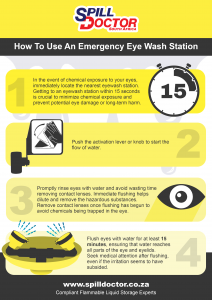
 

Step by step infographic on how to use emergency eye wash stations

Posted on

Ensuring Safe and Compliant Storage with Our Robust, Non-Combustible, Flammable Steel Stores. 

Benefits of Steel Stores infographic

Ensuring Safe and Compliant Storage with Our Robust, Non-Combustible, Flammable Steel Stores. 

Protecting Your Assets and the Environment

At Spill Doctor, we provide a wide range of secure and durable outdoor storage solutions. Our Robust, Non-Combustible, Flammable Steel Stores are designed to protect containers and their contents from environmental exposure. Proudly manufactured in South Africa, these units comply with all local flammable liquid storage regulations.


Flexible Storage for All Container Sizes

Each unit is built to store various container types. Whether you’re using 1000-litre IBCs, 205-litre drums, or smaller vessels, our steel stores are up to the task. This flexibility makes them ideal across many industries.


Built for Outdoor Durability, Versatile for Indoor Use

These units are fully enclosed, shielding contents from dust, debris, and weather. While they’re designed for outdoor conditions, they can also be used indoors. Their durable construction ensures safe liquid containment in any environment.


Designed to Minimize Risk

We prioritize safety in every design. Each bunded unit includes a mild steel sump that handles oils, chemicals, and volatile liquids. If a leak occurs, the sump helps contain it—protecting workers and reducing environmental harm.


Strong Construction That Lasts

Every component is built to last. The base uses 3mm mild steel, reinforced with RHS cross members and pressed ribs. Side panels, doors, and backs are formed from 2mm corrugated mild steel. A braced roof adds extra strength and protection from the elements.


Practical Features That Improve Safety

We’ve included smart features for both safety and convenience. Double-hinged doors offer easy access. High and low-level louvre vents improve ventilation. Seam-welded sumps and full-width plinths keep the unit off the ground. Each store also has crane lifting points that handle up to 2,000 kilos per point, ensuring safe movement.


Fully Compliant with South African Safety Regulations

Hazardous chemical storage in South Africa is governed by the Occupational Health and Safety (OHS) Act, Act No. 85 of 1993 (read more here). Our steel stores meet all regulatory requirements. We help businesses stay compliant while protecting people and the planet.


Quality Checked and Backed by Guarantee

Every unit goes through rigorous inspections to ensure it meets our high safety standards. We also offer a 20-year structural guarantee, demonstrating our confidence in long-term durability and reliability.


Let’s Talk Safe Storage

If your business handles hazardous liquids, let Spill Doctor help. Our steel stores offer the secure, compliant storage you need to safeguard your workplace and the environment.

Check out range of Steel Stores here.

Posted on

Safeguarding Workplaces and the Environment Using Spill Pallets

Safeguarding Workplaces and the Environment Using Spill Pallets

Spill pallets play a crucial role in ensuring the safety of workplaces that handle hazardous liquids. They provide a secure containment system that prevents leaks and spills from causing harm to both employees and the environment. In this article, we will explore the purpose of spill pallets, how they work, the benefits they offer, their role in environmental protection, relevant laws and regulations, and the importance of selecting the right materials for spill pallet construction.

Purpose of Spill Pallets:

Spill pallets serve as a specialized storage solution for drums or containers containing hazardous liquids. Their primary purpose is to prevent leaks and spills from contaminating the workplace, soil, and water sources. By providing a secure platform with integrated containment basins, spill pallets ensure that any potential spills are captured and contained within the pallet, limiting their impact.


How Spill Pallets Work:

Spill pallets are designed with a few key features that enable them to effectively prevent and manage spills. They are constructed with a durable polyethylene, which is a highly resistant material. This ensures that the pallet can withstand contact with a wide range of hazardous substances without degrading or compromising its structural integrity.

Spill pallets also feature an elevated platform where drums or intermediate bulk containers are placed. This elevation helps in inspecting the containers for leaks or damage, and it also prevents direct contact with the ground, which could lead to corrosion or contamination. Additionally, spill pallets are equipped with integrated containment basins that can hold 25% of the total volume being stored, allowing for easy cleanup, and reducing the risk of the spill spreading.


Benefits of Using Spill Pallets in the Workplace:

Enhanced Workplace Safety: Spill pallets greatly reduce the risk of slips, trips, and falls caused by liquid spills, protecting employees from potential injuries, and ensuring a safer work environment.

Environmental Protection: By containing spills, spill pallets prevent hazardous substances from seeping into the soil, groundwater, or nearby water sources, minimizing the negative impact on ecosystems.

Regulatory Compliance: Many countries have specific regulations and standards regarding the storage and handling of hazardous materials. Using spill pallets helps organizations comply with these regulations, avoiding penalties and legal issues.

Cost Savings: Properly managing spills through spill pallets can significantly reduce cleanup costs associated with hazardous material spills, minimizing the need for expensive remediation efforts and potential fines.


Spill Pallets and Environmental Protection:

The use of spill pallets plays a vital role in protecting the environment. Spills and leaks from hazardous substances can have severe consequences, contaminating soil, polluting water sources, and endangering wildlife. Spill pallets act as a preventive measure, acting as a barrier to contain spills before they can cause harm. By using spill pallets, companies demonstrate their commitment to responsible environmental stewardship.


Laws and Regulations:

When it comes to handling hazardous substances, laws and regulations are in place to ensure the safety of employees, communities, and the environment.  It is essential to understand the specific requirements of your jurisdiction and industry regarding spill containment, storage, and disposal. Compliance with these regulations often includes the use of spill pallets to mitigate risks associated with handling hazardous liquids.


Choosing the Right Spill Pallet:

Selecting the appropriate spill pallet requires a consideration of factors such as the type and volume of hazardous substances being stored, the frequency of use, and the specific regulations applicable to your industry. When choosing a spill pallet, it is crucial to ensure that it is compatible with the substances you handle. Evaluating the material compatibility and capacity of spill pallets will help determine the most suitable option for your workplace.

Spill pallets are a critical component of workplace safety and environmental protection. They offer a secure containment system that prevents leaks and spills from hazardous liquids, safeguarding employees, minimizing the risk of environmental contamination, and ensuring compliance with laws and regulations. By investing in the right spill pallets and adhering to proper usage guidelines, organizations can significantly reduce the potential for accidents, mitigate the impact of spills, and create a safer and more responsible working environment.


Posted on

90 Minute Fire Rated Safety Cabinets

90 Minute Fire Rated Flammable Cabinets

We’re excited to announce the arrival of our new line of 90-minute rated flammable cabinets! Designed for safety and durability, these cabinets offer maximum protection for your flammable liquids.

Key Features Include:
• 90-minute fire rating
• Durable construction
• Various sizes and configurations
• Built-in ventilation system
• Spill containment sump
• Lockable doors

Discover the Benefits of 90-Minute Flammable Cabinets!

Ensure Ultimate Safety: Our 90-minute flammable cabinets provide unparalleled protection, giving you up to 90 minutes to respond in case of fire emergencies.

Durable and Reliable: Built to last, our cabinets are designed with high-quality materials, ensuring long-term durability and reliability.

Versatile Storage Solutions: With various sizes and configurations available, our cabinets cater to your specific storage needs, providing a perfect fit for any workspace.

Added Security: Lockable doors offer an extra layer of security.

Upgrade your storage solutions with TUV-approved 90-minute flammable cabinets today and experience the peace of mind that comes with top-notch fire protection.

Click Here to view our 90-Minute Rated Flammable Cabinet Range

Posted on

The Benefits of using Spill Pallets and Spill Berms in the Workplace

The Benefits of Using Spill Pallets and Spill Berms in the Workplace

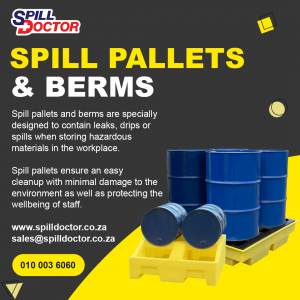
Spill berms and spill pallets are essential tools for safely handling and containing hazardous liquids. These products are designed to prevent spills from spreading and causing damage to the environment or harm to people. Using spill berms and spill pallets when working with hazardous liquids has many benefits. Firstly, it helps to prevent spills from spreading and causing damage to the environment, which is an important consideration when working with hazardous materials. Additionally, spill berms and spill pallets make clean-up easier, reducing the amount of time and resources required to clean up a spill. Most Importantly, they offer protection for workers and the surrounding area from the potential dangers of hazardous liquids.

 What is a Spill Berm?

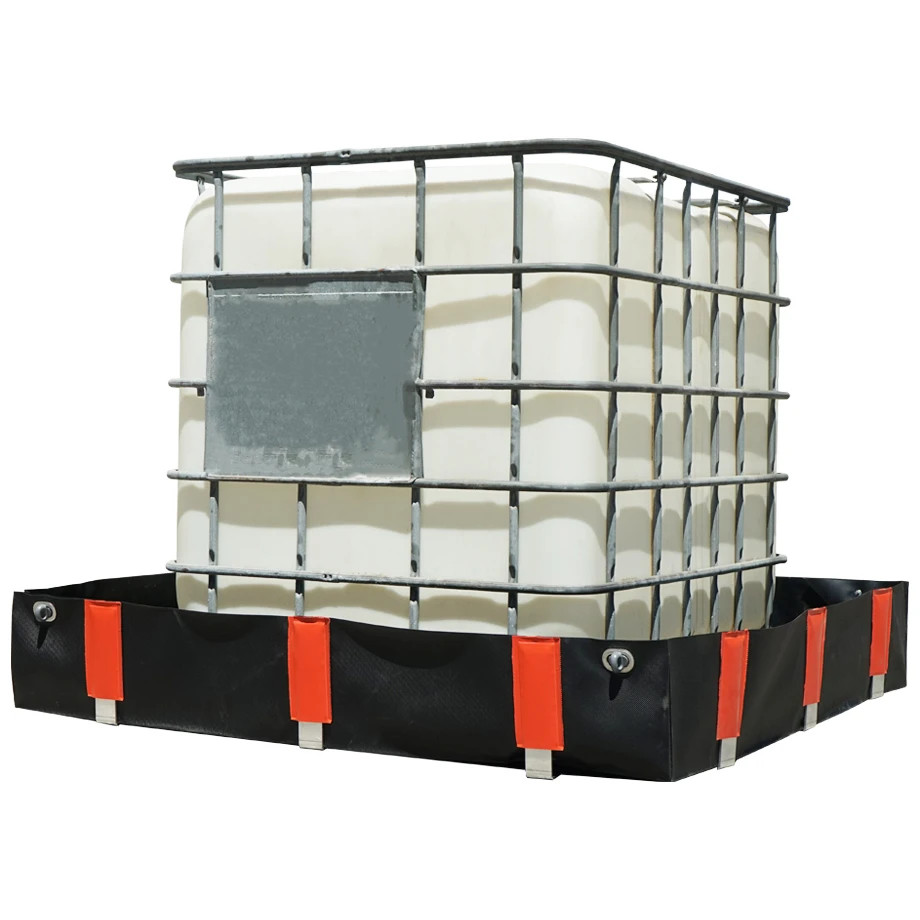
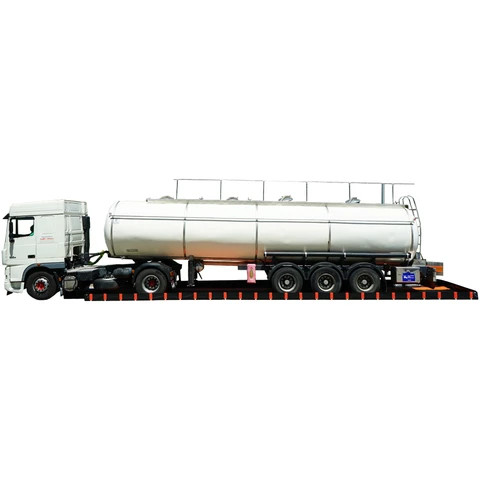
Spill berms are used for areas which require a larger volume of storage. They are made of durable materials such as heavy-duty PVC or polyurethane and can be quickly and easily set up. This helps to contain the spill and prevent it from spreading, reducing the risk of environmental damage and make clean-up easier. Another few benefits of spill berms is that they are portable, can be moved by hand, are also ideal for use in outdoor areas on most surfaces, and thereby preventing spills from reaching nearby waterways or other sensitive areas. Spill berms also have the benefit of collapsible walls, allowing vehicles and heavy plant machinery to drive over the walls when flat, and then erecting the side wall to contain the area around the vehicle. Ideal for concrete mixers, servicing/refuelling of heavy plant machinery, compressor and generator spills as well as water overflow.

 What is a Spill Pallet?

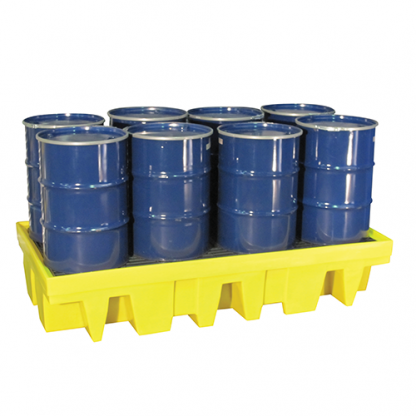
Spill pallets, on the other hand, are designed to be used as a base for containers of hazardous liquids. They are made of 100% Polyethylene and are designed to contain spills and leaks from drums and or IBC flow bins, preventing the spread of spills and protecting the environment while simplifying clean-up are key benefits of using spill pallets. Spill pallets are also a great option for indoor use, as they are designed to be placed on a solid surface such as a concrete floor. 

The Benefits/features : Bund regulation compliant, removable grids and fork pockets for easy movement.

Should You Choose a Spill Pallet or a Spill Berm?

It depends on the specific circumstances of your storage and handling of hazardous liquids. Both spill berms and spill pallets are designed to contain spills and leaks and prevent them from spreading, but they are used in different ways.

Spill berms are typically used when hazardous liquids are being stored or handled in an outdoor area, such as on a construction site or at a facility that stores large quantities of hazardous liquids. This helps to contain the spill and prevent it from spreading, reducing the risk of environmental damage and making clean-up easier.

Spill pallets, on the other hand, are typically used when hazardous liquids are being stored or handled indoors, such as in a warehouse or manufacturing facility. They are placed under containers of hazardous liquids, such as drums or totes, to catch any spills or leaks that may occur.

In general, both spill berms and spill pallets are useful tools to have on hand when working with hazardous liquids. However, whether you need a spill berm, or a spill pallet will depend on the specific circumstances of your storage and handling of hazardous liquids.


If you have any questions about whether you need a spill berm or a spill pallet, do not hesitate to reach out to us via email at sales@spilldoctor.co.za or by telephone at 010 003 6060 for assistance.

In summary, the use of spill berms and spill pallets is crucial in ensuring the safe handling and containment of hazardous liquids. They assist in containing spills and preventing them from causing harm to the environment and making the clean-up process more manageable. Additionally, they provide protection for workers and the surrounding area from the potential harm caused by hazardous liquids. It is crucial for companies handling hazardous materials to invest in these products.

View our fully priced spill pallet and spill berm product range – https://www.spilldoctor.co.za/product-category/spill-containment/